Hedgeparsley
Torilis arvensis
Family: Apiaceae
Weed class: noClass
Native to: parts of Europe, Asia, and Africa
Is this Weed Toxic?:
not known to be
Legal listings:
This plant is on the quarantine list. It is prohibited to transport, buy, sell, offer for sale, or distribute plants or plant parts of quarantined species into or within the state of Washington or to sell, offer for sale, or distribute seed packets of seed, flower seed blends, or wildflower mixes of quarantined species into or within the state of Washington. Please see WAC 16-752 for more information. WSDA Quarantine list (prohibited plant list)
Why Is It a Noxious Weed?
Hedgeparsley is not listed as a noxious weed but is on the quarantine list.
How would I identify it?
General Description
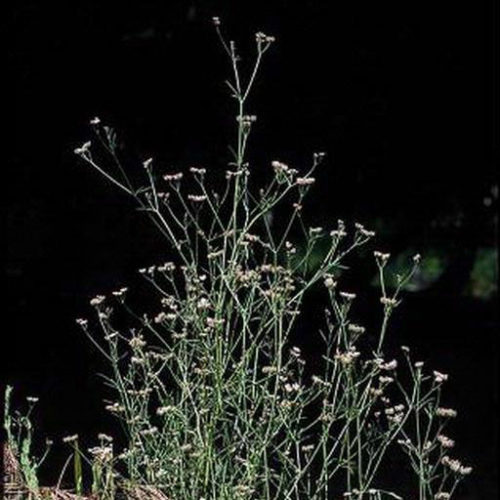
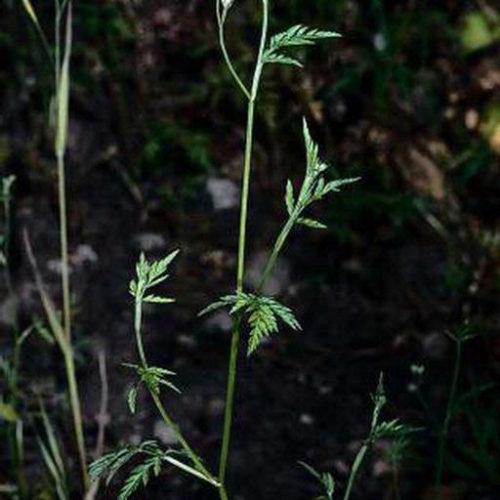
This spring annual can grow up to 2 feet tall
Flower Description
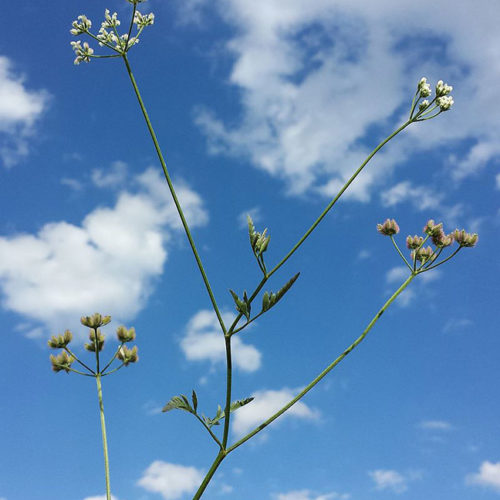
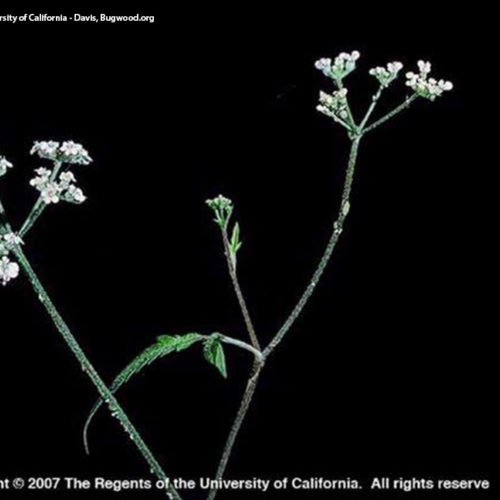
Umbrella-shaped clusters of white flowers grow on long stalks. Each cluster is 2-3 inches acrsoo. The flowers in these clusters each have 5 white petals
Leaf description
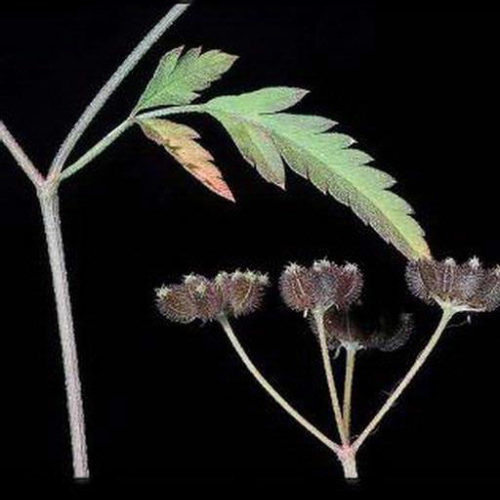
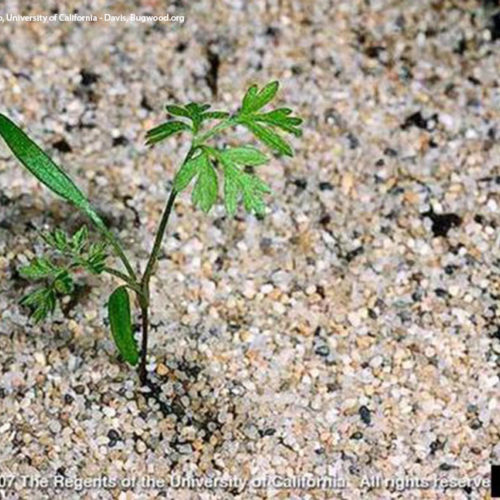
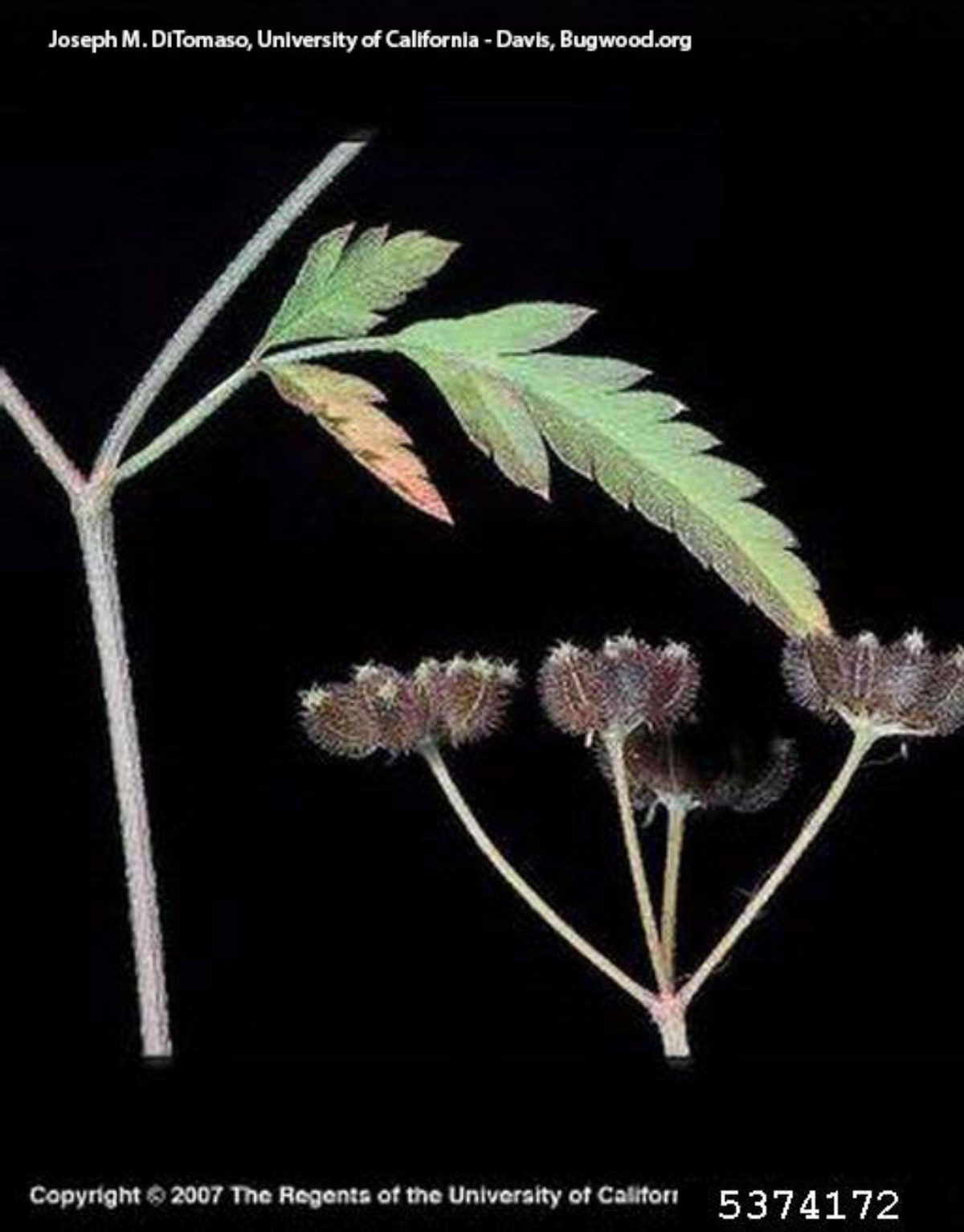
The leaves are divided into 3 leaflets. Eachleaflet is deeply lobed to serrated, but can have smooth edges towards the top of the plant. Can be up to 6 inches long and 4 inches wide. The top surface is sparsely covered with short, light-colored hairs
Stem description
The stems are upright to spreading, hairy and turn red in high light conditions.
Fruit Seed Description
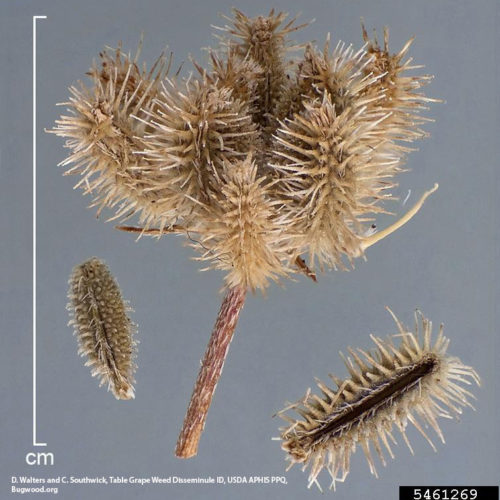
The seeds start green, covered with short light pink bristles, and ripen to brown. The bristles act like velcro, to help the seeds spread on clothing or fur.
Where does it grow?
Sun to partial shaded areas, like meadows, forest edges, and open or disturbed areas
How Does it Reproduce?
Seed only
How Do I Control It?
Hand pulling is effective on small populations, if done when the soil is moist, to get roots out. Can resprout after mowing.
For More Information
Invasive Plant Atlas information on hedgeparsley.
Additional Photos